
Welcome to Korea
Whether you want to work in a Korean factory or farm, study at a university, learn Korean at a famous language institute or take a working holiday, this guide shows the real routes, the real costs and the Korean you will need. It is written for learners from Nepal, Myanmar, Indonesia, Vietnam, Central Asia, Russia, Japan, France and beyond.
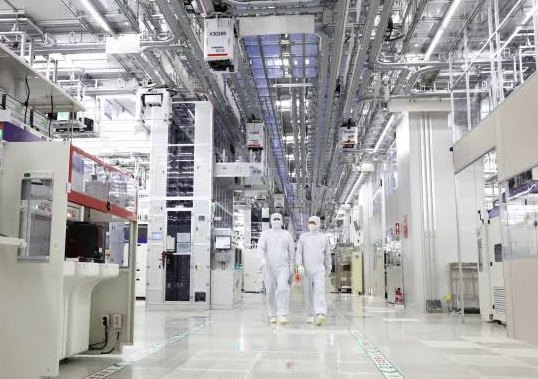 Work
Work & Jobs in Korea
EPS (E-9) step by step, E-7-4 and regional visas for experienced workers, seasonal and F-4 visas, working holiday for Japan and France, how to find legal jobs and where to get help.
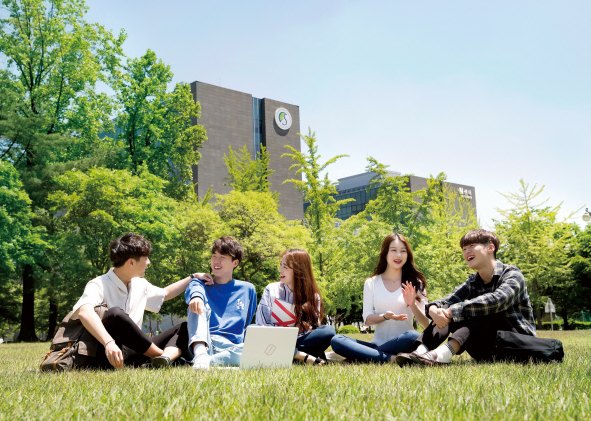 Study
University & Language
Popular and affordable universities, language institutes such as Yonsei, Sogang and SNU, how to apply, documents, scholarships (GKS), D-2 and D-4 visas, costs and scams.
Which visa fits your goal?
| Your goal | Usual visa | Start here |
|---|---|---|
| Factory, farm, fishing or construction job (from an EPS country) | E-9 (EPS) | EPS guide |
| Stay long term after years of E-9 work | E-7-4 / E-7-4R | Points visas |
| Professional or skilled job with an employer | E-7 | Work visas |
| Travel and work for up to a year (Japan, France and other partner countries) | H-1 working holiday | Working holiday |
| Bachelor's, master's or PhD | D-2 | University guide |
| Study Korean at a university institute | D-4-1 | Language programmes |
| Graduate looking for a job | D-10, then E-7 / F-2 | After graduation |
Korea at a glance
🇰🇷 Language and writing
Korean is written in Hangul, an alphabet you can learn in days. Learn Hangul free.
🏙️ Cities
Seoul is the capital and by far the biggest job and study market. Regional cities such as Busan, Daegu, Daejeon, Gwangju and Cheongju are cheaper and increasingly supported by regional visa programmes.
💴 Currency and costs
The Korean won (KRW). The 2026 minimum wage is KRW 10,320 per hour. Housing is the biggest cost in Seoul; dorms and regional cities are much cheaper.
🚇 Getting around
Excellent subway, bus and rail systems in every major city. A rechargeable transit card such as T-money works almost everywhere.
🏥 Health insurance
National Health Insurance is compulsory for most long-stay residents — your employer or school will explain how you are enrolled.
📞 Useful numbers
112 police · 119 fire and ambulance · 1345 Immigration Contact Center (multilingual) · 1350 labour counselling.
Your first steps (any route)
- Choose a route using the table above and read the matching guide.
- Check eligibility and money. Age, nationality, education and the amount of financial proof or savings you will need.
- Start Korean now. Hangul first, then daily vocabulary, then EPS-TOPIK or TOPIK practice. Korean level raises your pay, your safety and your visa options.
- Use official channels only. eps.go.kr, hikorea.go.kr, studyinkorea.go.kr and the Korean embassy in your country. Be careful with brokers and agents who ask for money.
- Prepare documents early. Apostille, bank certificates and translations take weeks.
Learn the Korean you need
General information only — not legal or immigration advice. Confirm every rule with official sources or your Korean embassy.
Frequently asked questions
What is the easiest way for a foreigner to work in Korea?
For factory, farm, fishing and construction jobs, the government's Employment Permit System (EPS, visa E-9) is the main legal route for citizens of 17 partner countries. Professionals use E-7 and related visas; young people from partner countries such as Japan and France can use the working holiday visa.
Can I study in Korea without speaking Korean?
Yes, if you choose an English-taught programme or start with a Korean language course at a university institute. However, most undergraduate programmes are taught in Korean, and Korean ability strongly affects part-time work, jobs and visas.
How much does it cost to study Korean at a Korean university?
Top Seoul institutes cost about KRW 1.8–1.96 million per 10-week term, and regional universities about KRW 1.1–1.5 million. Add housing, food and insurance.
Do I need to learn Hangul before I go?
It is strongly recommended. Hangul can be learned in a few days and makes everything easier: reading signs, ordering food, filling in forms and taking your first Korean class.
Get ready for Korea: learn Korean free
Create a free account to practise EPS-TOPIK, TOPIK and everyday Korean, keep your scores and get a personal review notebook.
Create a free account